
Are you allowing AI ads?
Katelyn Mary Skaggs
Jun 1, 2026

Recently, I have started noticing more ads that I suspect were not actually created by a human designer.
AI-generated design has become prevalent at our newspaper. We are seeing more clients submit camera-ready ads that clearly have a certain AI look to them. The cartoonish style, oddly smooth faces, fuzzy backgrounds, three hands. Once you start noticing it, you really cannot stop seeing it.
At the Leader, we are still trying to figure out exactly what our AI policy should look like when it comes to advertising. For years, we have accepted camera-ready ads from clients. Sometimes they are beautifully designed, and sometimes they are not. We have always made adjustments when needed, especially with files that are not set up properly for print.
The challenge now is figuring out where AI fits into all of this.
How do you tell a client their ad looks bad without insulting them? How do you explain to a business owner that the strange AI-generated people in their ad might not create the professional image they are hoping for? It is a delicate conversation because many clients are genuinely excited about these tools. They feel proud and excited about what they were able to create.
Before we could even really form a policy or make any declarations about AI ads, some had already slipped into the paper without our realization.
A few weeks ago, I was looking at an ad submission from a client and thought it was really well designed. Nothing about it immediately screamed AI to me. Then I noticed the image file name, and that tipped me off. The image had clearly been generated through an AI platform. It looked good enough that I would not have caught it otherwise.
That realization made me pause.
Whether we are aware of it or not, AI-designed elements are likely already ending up in newspapers across the country every single week. As we continue drafting and discussing a formal AI policy, we are currently allowing AI-developed ads submitted from clients.
If I am being honest, I don’t love it. At the same time, I also recognize that someone still sat at a computer and created it. They still typed prompts, made adjustments, chose layouts and built the final product. So where exactly is the line? Is using AI image generation really that different from using Photoshop tools that automate parts of the design process? One just requires a different type of skill set.
Inside our own office, reactions have been mixed.
I have one sales rep who fully welcomes AI ads from clients and sees no issue with them at all. I have another sales rep who has flat out told clients they are not allowed because she personally does not want them appearing in the paper.
For us, the biggest thing has been human oversight. We may allow AI-generated ads, but we are still reviewing them carefully before they run. We recently had a local ambulance district submit an ad where the word ambulance was spelled wrong in the ad. Another ad featured a person with three hands. All those things were pointed out and fixed.
At the end of the day, this column is not me declaring that we have solved the AI debate or we are taking a hard stance one way or another. Honestly, I am curious about what other papers are doing. Are you allowing AI ads? Are you banning them? Are you talking to clients about it at all?
Right now, our approach is to manage it carefully while continuing the conversation internally.
I will say our newsroom rules are much stricter. AI is not allowed to write stories at the Leader. We still want real human reporters covering our communities, asking questions, attending meetings and telling local stories.
That human connection still matters deeply to us.
This month’s column from me is not advice; it is mostly to get you thinking. What is your paper doing, and what should it be doing about this?
I do think AI can be a useful tool in the toolbox. It can help brainstorm ideas, improve workflow, and even assist with design concepts. But it cannot become the entire toolbox.
Newspapers have always had to adapt to changing technology. This is just the latest version of the challenge. The important thing is making sure we adapt thoughtfully instead of blindly accepting whatever technology throws at us next.
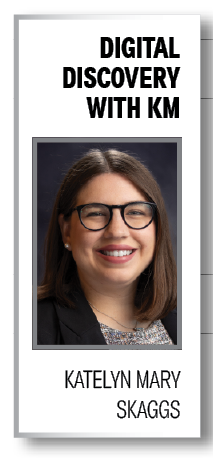
Katelyn Mary Skaggs is the sales manager and part owner of Leader Publications, a group of four papers based in Festus, Missouri. Skaggs, a Southeast Missouri State University graduate, stated at the publishing group as an intern and then as a full-time reporter in January 2019.